
weather
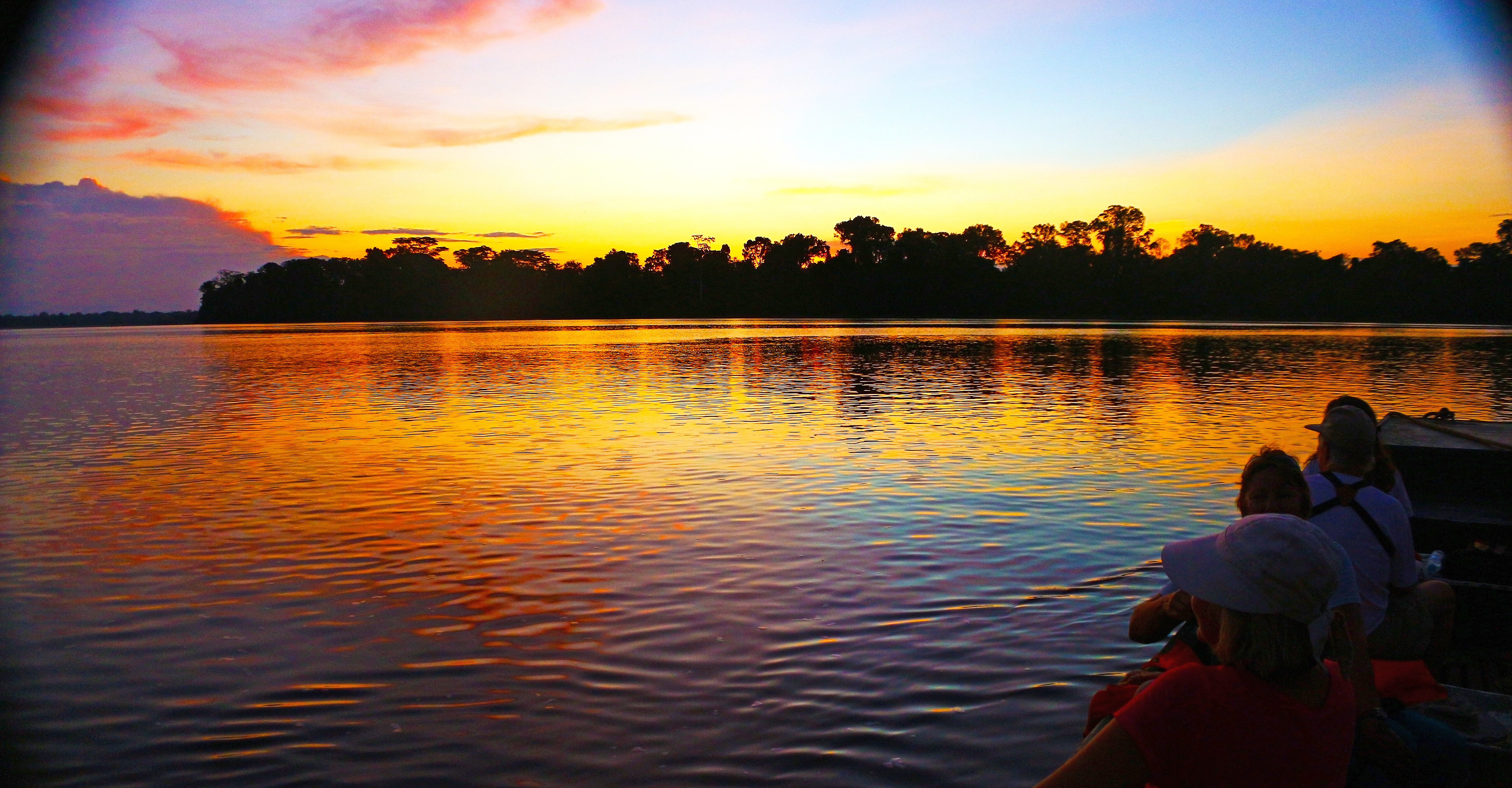
The Amazon is a year-round destination for wildlife lovers and nature travelers. While there are two primary seasons—wet and dry—each offers its own advantages. Wildlife is active throughout the year, and Peru’s Pacaya Samiria National Reserve is one of the best places to experience consistent wildlife sightings in any month. Understanding the seasonal differences can help tailor your Amazon adventure to your specific interests and travel style.
What’s the Difference Between the Amazon’s Wet and Dry Seasons?
The wet season (December to May) brings high water levels that allow small boats to navigate deep into the flooded forest, accessing otherwise unreachable habitats. The dry season (June to November) exposes more riverbanks and trails, allowing for increased forest walks and shoreline wildlife viewing.
Despite the seasonal divide, rainfall is common year-round due to the Amazon’s equatorial climate. Even in the dry season, expect humidity, afternoon showers and vibrant greenery. Both seasons support incredible biodiversity and exploration.
Many travelers consider the rainy season in the Amazon one of the best times to visit. From December through May (depending on region), rivers rise and flood the rainforest, creating a unique high-water season ideal for Amazon river cruises and wildlife viewing. During this period, you can explore deeper into the jungle by skiff or canoe, gliding through flooded forests rich with life. While rainfall is more frequent, it nourishes the landscape, bringing out vibrant greens, colorful blooms and abundant wildlife. Top reasons to visit the Amazon in the rainy season:
- Lush vegetation and brilliant tropical flowers
- High-water access to remote rainforest areas
- Exceptional birdwatching and wildlife sightings
- Cooler temperatures and fewer insects in some regions